
Lingua Academy MicroSchool
Request Info
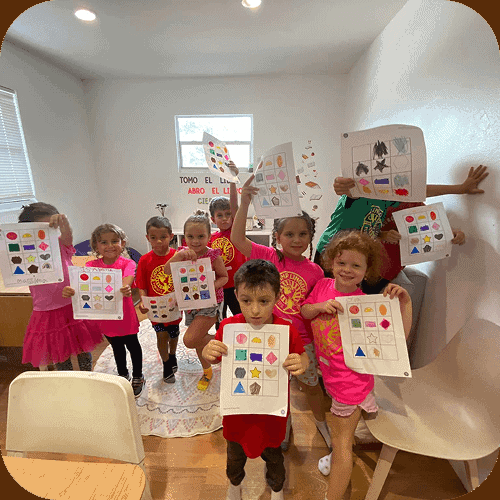

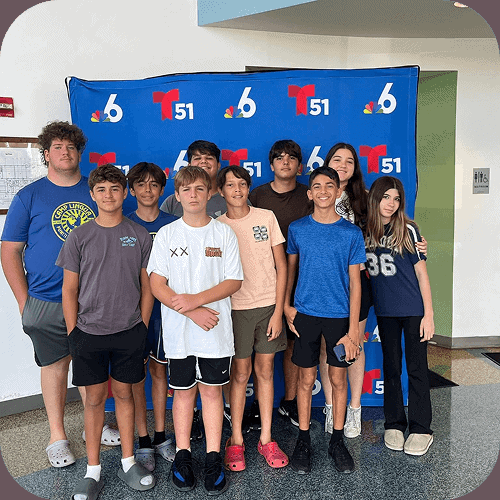
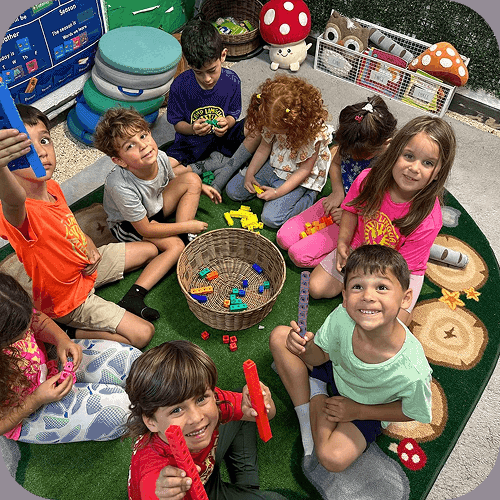
Microschools are small, private educational communities (typically 10-12 students per class) that:
Embraces: Mixed-age learning, Socratic discussions, project-based assessment, student agency. Think of it as “outsourced homeschooling” with:
- Professional Learning Coaches (not traditional teachers)
- Small class sizes ensuring individual attention
- Freedom from bureaucracy and state mandates
- Curriculum tailored to each student’s needs and interests
Rejects: Standardized testing, excessive homework, one-size-fits-all curriculum, rigid grade levels


Book a tour here
| Lingua Academy Microschool | Traditional School |
| 1:12 student-teacher ratio | 1:25+ ratio |
| Mixed-age collaboration | Rigid grade levels |
| Self-paced mastery | Fixed curriculum timeline |
| Project-based assessment | Standardized tests |
| Student-chosen projects | Teacher-assigned homework |
| Socratic discussions | Lectures |
| Real-world apprenticeships | Theoretical learning |
| Outdoor learning environment | Classroom-bound |

Learning coaches
- They create a safe, nurturing space and support each child’s individual learning journey.
- Coaches take a hands-on approach, encouraging students to take ownership of their education while offering guidance tailored to their strengths and needs.
- They foster real-world skills like goal setting, accountability, and collaboration.
- Support individual goals and learning styles
- Mentor social-emotional growth and life skills
- Connect students with real-world opportunities
- And the most important of all, they genuinely love working with young people

PERSONALIZED
Education customized to each child’s:
- Learning style (visual, auditory, kinesthetic)
- Pace and readiness
- Interests and passions
- Strengths and growth areas.
Project-Based

Students demonstrate mastery when they’re ready and understand it—not according to arbitrary testing schedules and memorization:
- Students advance through material at their natural pace
- Extra support for those who need it, enrichment for those who don’t
- Reading choices based on interest and challenge level.

Learning extends beyond campus through:
- Local entrepreneurs
- Scientists and researchers
- Artists and musicians
- Community leaders
- Museums and cultural institutions
- Nature preserves and parks.
Reflection & Accountability
Every day ends with community reflection where students:
- Share what they learned
- Celebrate wins (academic and personal)
- Identify areas for improvement
- Participate in daily maintenance, cleaning learning spaces and organizing materials.

Learning since 1998. Students don’t just study Spanish—they live it throughout their day.
- Daily conversational and vocabulary practice
- Reading and writing in both languages
- Songs, games, and cultural activities
- Multi-Sensory Approach.

While core academics are often self-paced, other skills are practiced as a community: outdoor education, physical education, animal care, art, science, history, and entrepreneurship as well as project time.
- Real-World Preparation: Apprenticeships and real world challenges, developing teamwork and leadership skills.
Questions > Answers
Through purposeful, guided conversation, students develop:
- Critical thinking
- Logical reasoning
- Objectivity and analysis
- Respectful debate skills
- Active listening
- Intellectual curiosity.